BioLink Designs develops ecological systems and living infrastructure strategies that reconnect fragmented urban and regional environments across scales.
Our work explores how biological connectivity can be integrated into the future of cities through ecological infrastructure, biodiversity systems, and applied urban interventions.
Soil Connectivity Systems
Focusing on the hidden infrastructures beneath cities, our work explores how soil structure, material flows, and fungal networks influence the performance of urban landscapes.
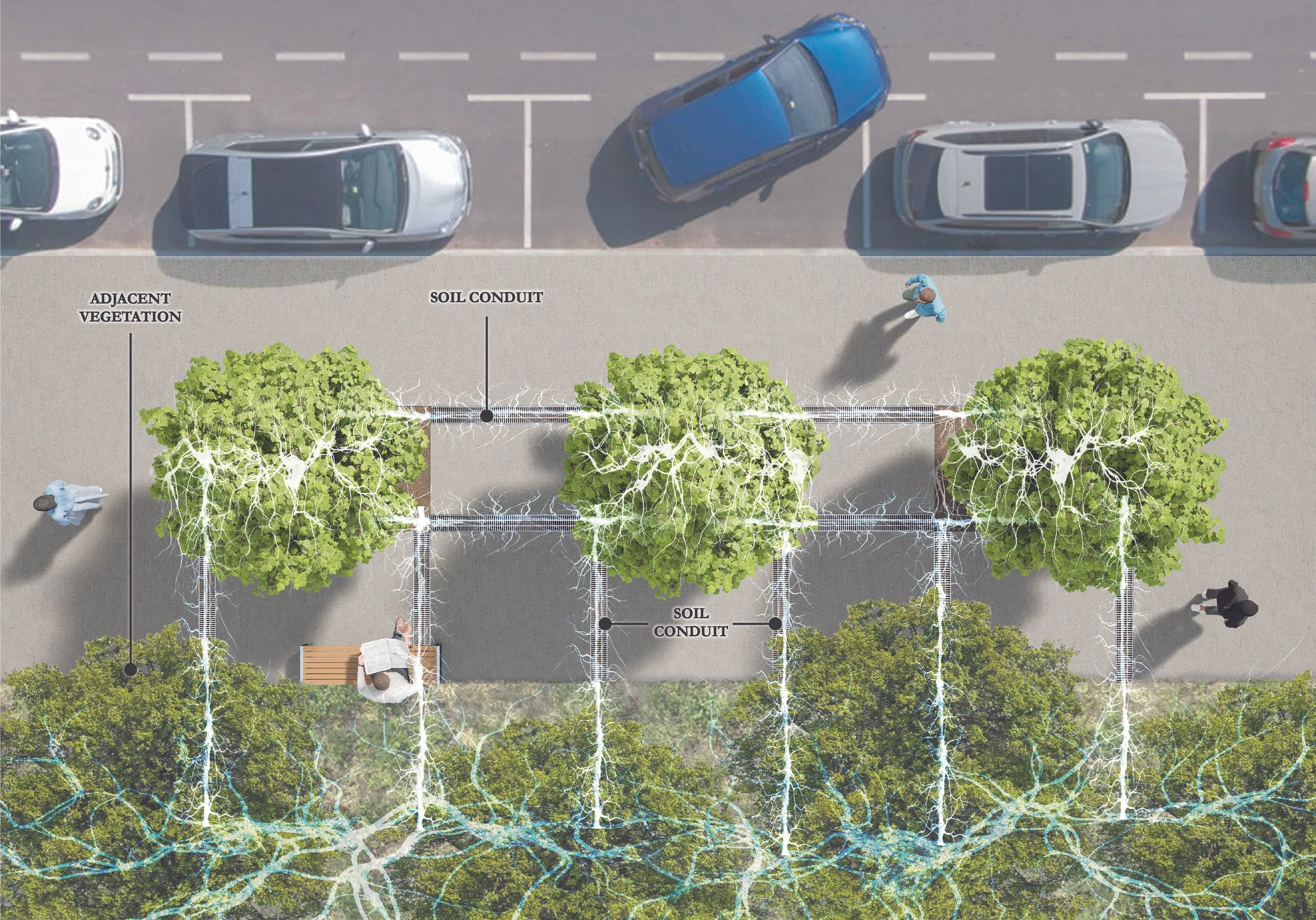
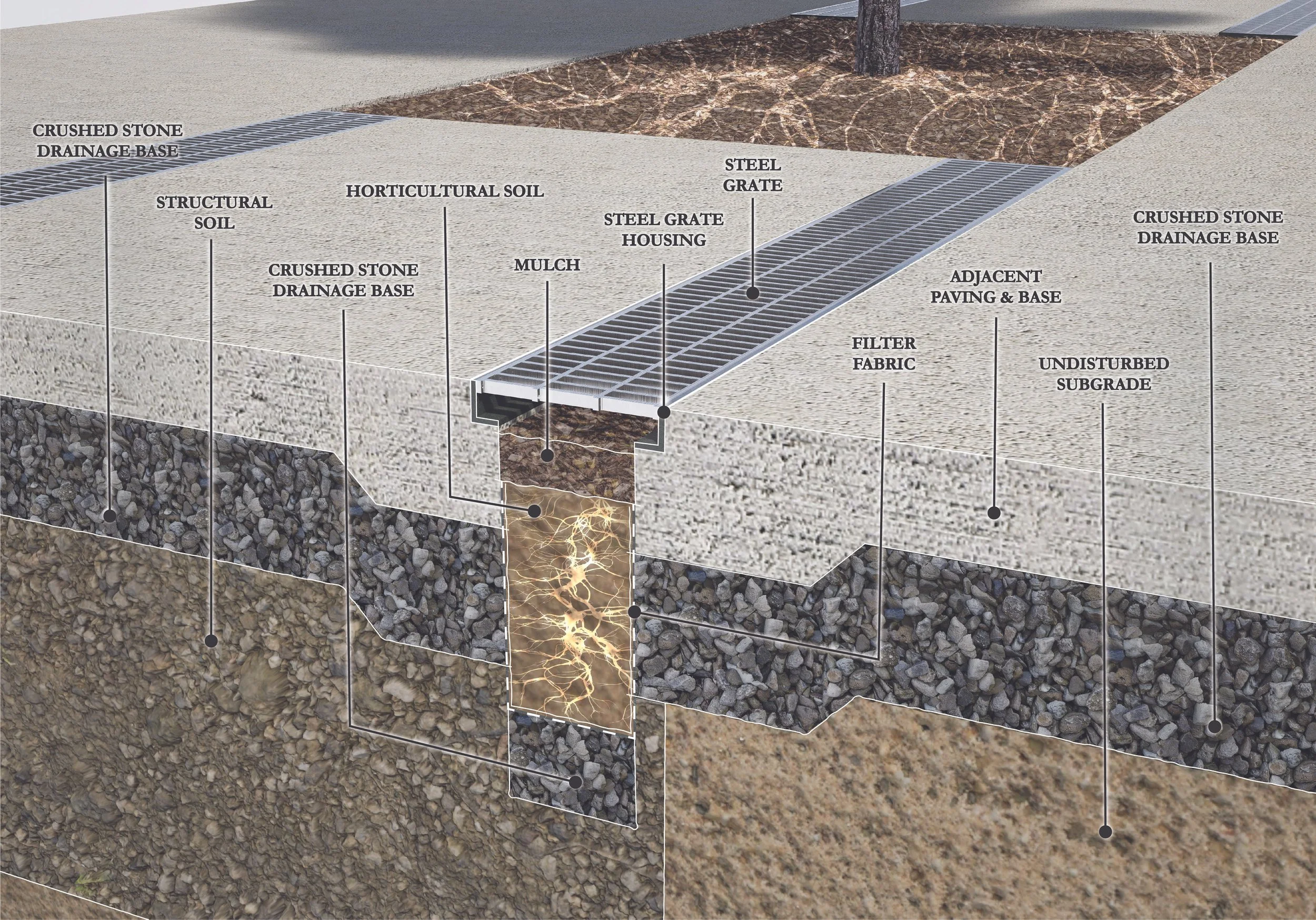
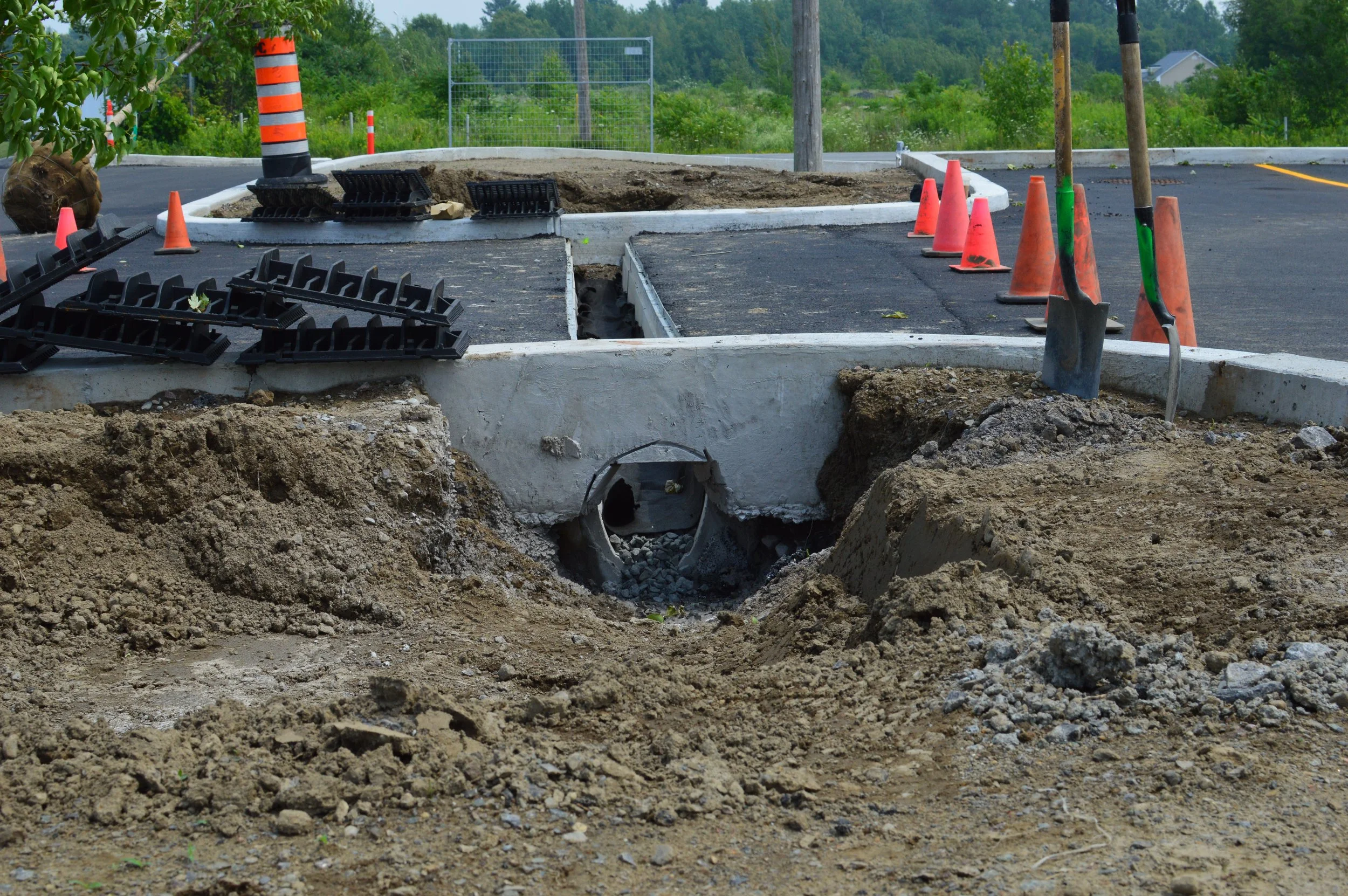
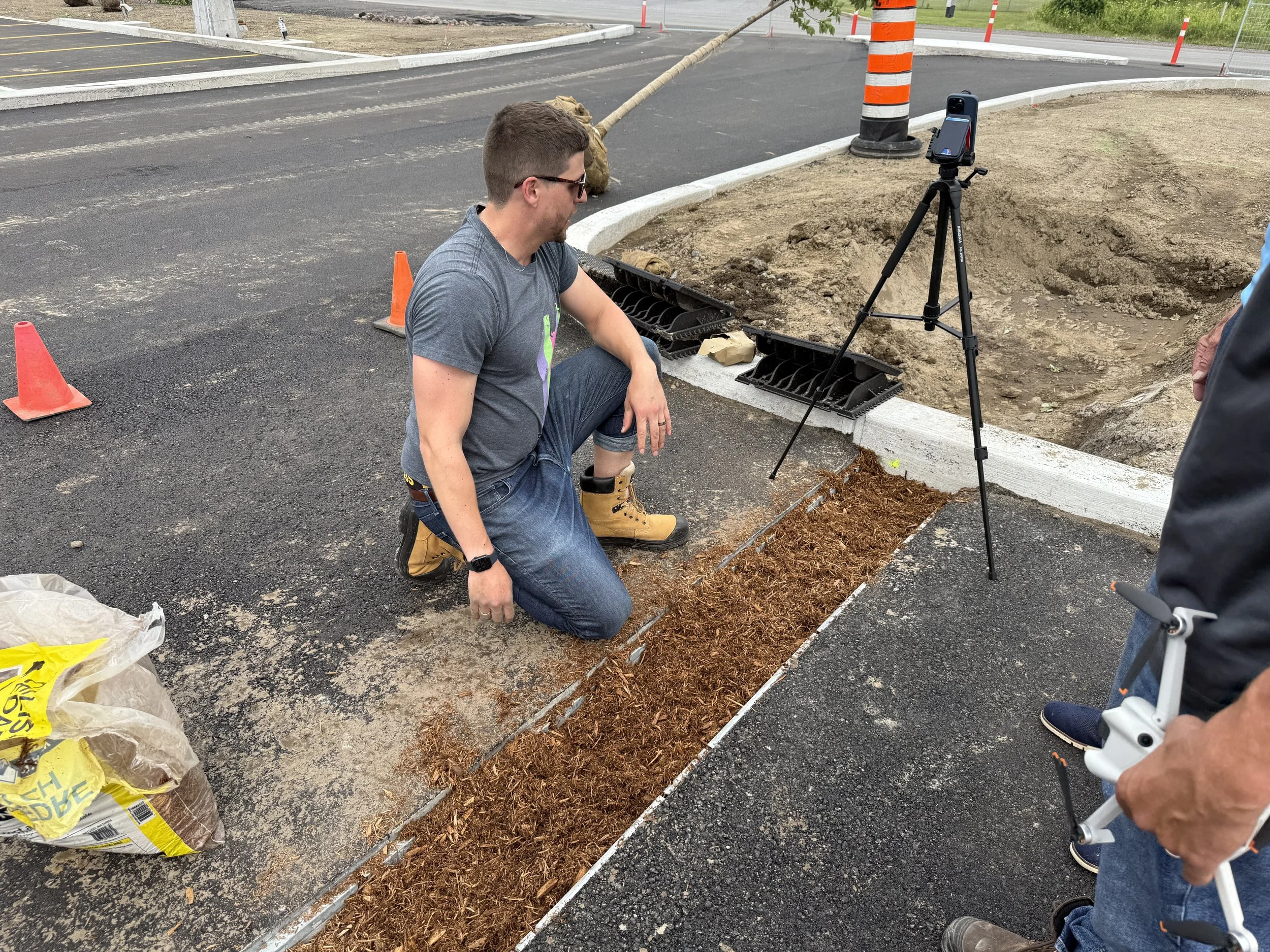
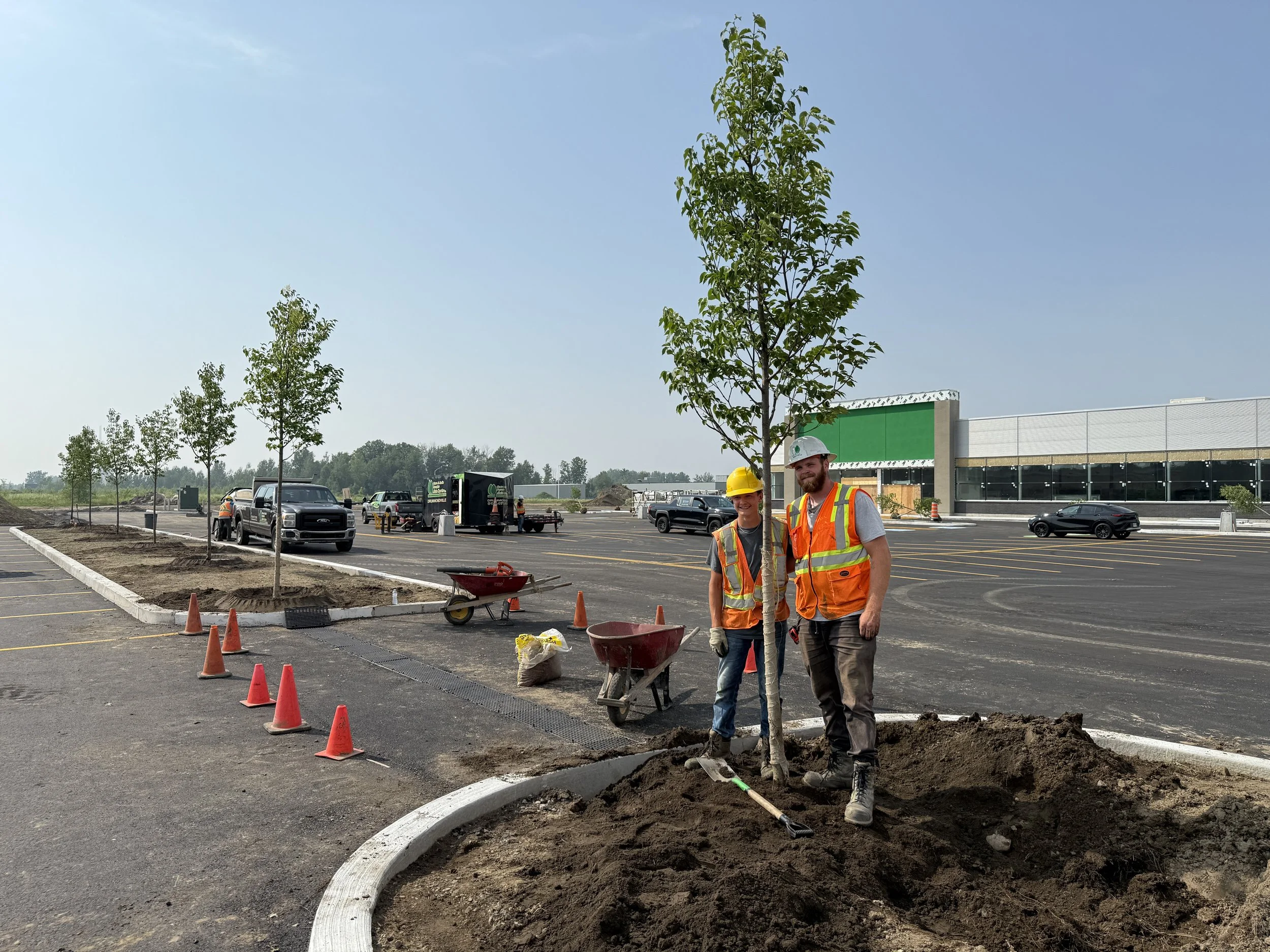
Central to this research is the Soil Conduit, a proprietary green infrastructure system designed to physically and biologically reconnect fragmented urban soils, enabling underground connectivity between trees, plant communities, and fungal networks. Developed through applied research and experimental testing, the system explores how mycorrhizal networks can be intentionally integrated into urban environments as living infrastructure. By creating continuous underground soil corridors, the Soil Conduit supports biological exchange between trees, improving long-term ecological resilience and urban forest performance. Designed specifically to support soil fungi, the system combines open-air circulation, biologically active soil layers, organic material, and a permeable surface grate compatible with pedestrian urban environments. The research also incorporates planting strategies based on mycorrhizal compatibility, allowing fungal networks to form and extend between green spaces. The Soil Conduit has been tested through a controlled experiment involving 53 oak saplings connected by a shared underground soil corridor, providing empirical evidence that engineered soil connectivity can support underground fungal exchange similar to natural forest systems. The system is currently being tested through a series of pilot installations, translating laboratory research into operational urban contexts and evaluating constructibility, performance, and integration within highly constrained urban environments.
Latest Publication:
Integrating ecological function, urban agriculture, and regenerative landscape systems into public and built environments. These projects explore how productive landscapes can support biodiversity, community resilience, and long-term ecological performance within cities.
Productive & Regenerative Landscapes
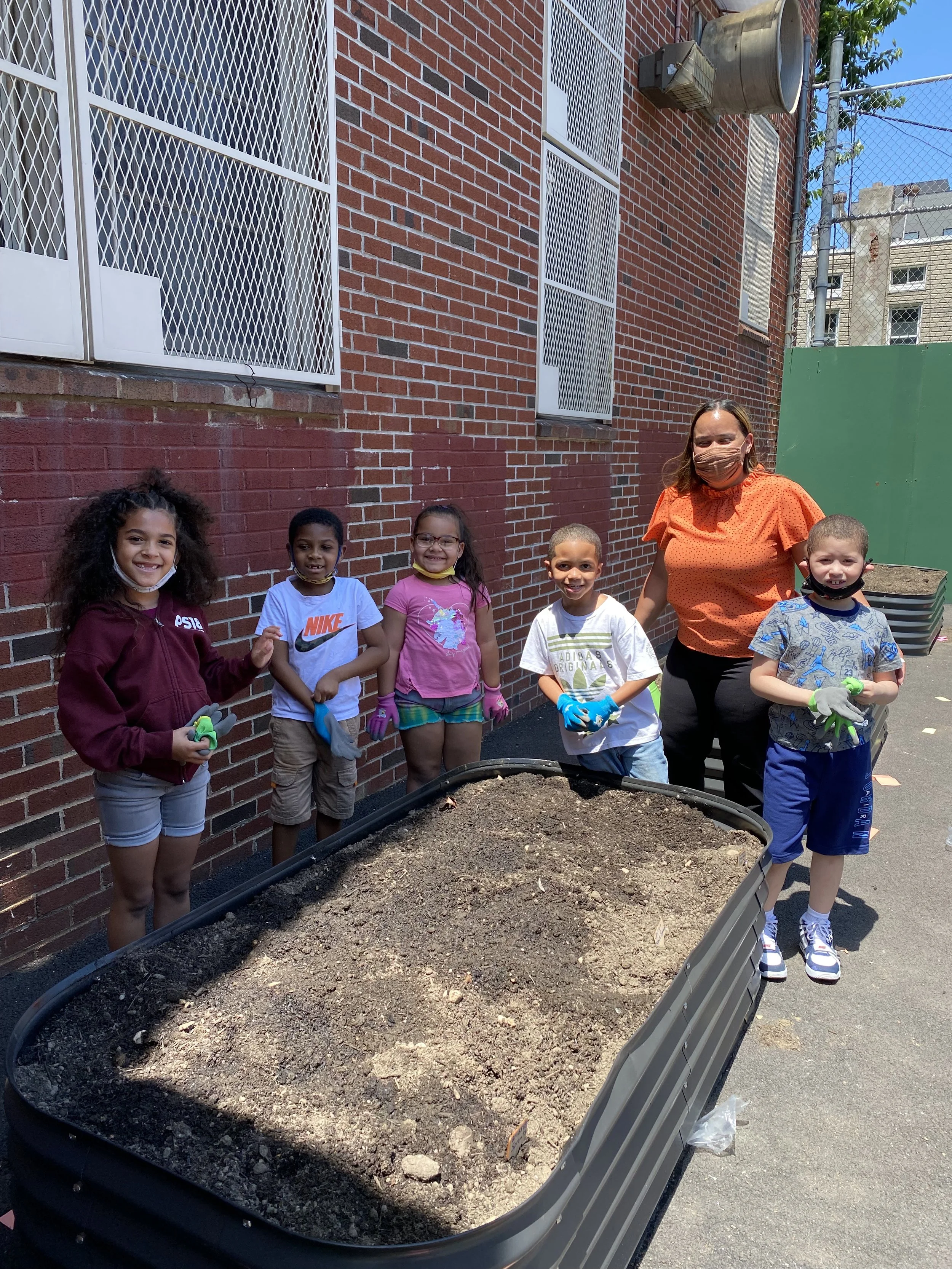
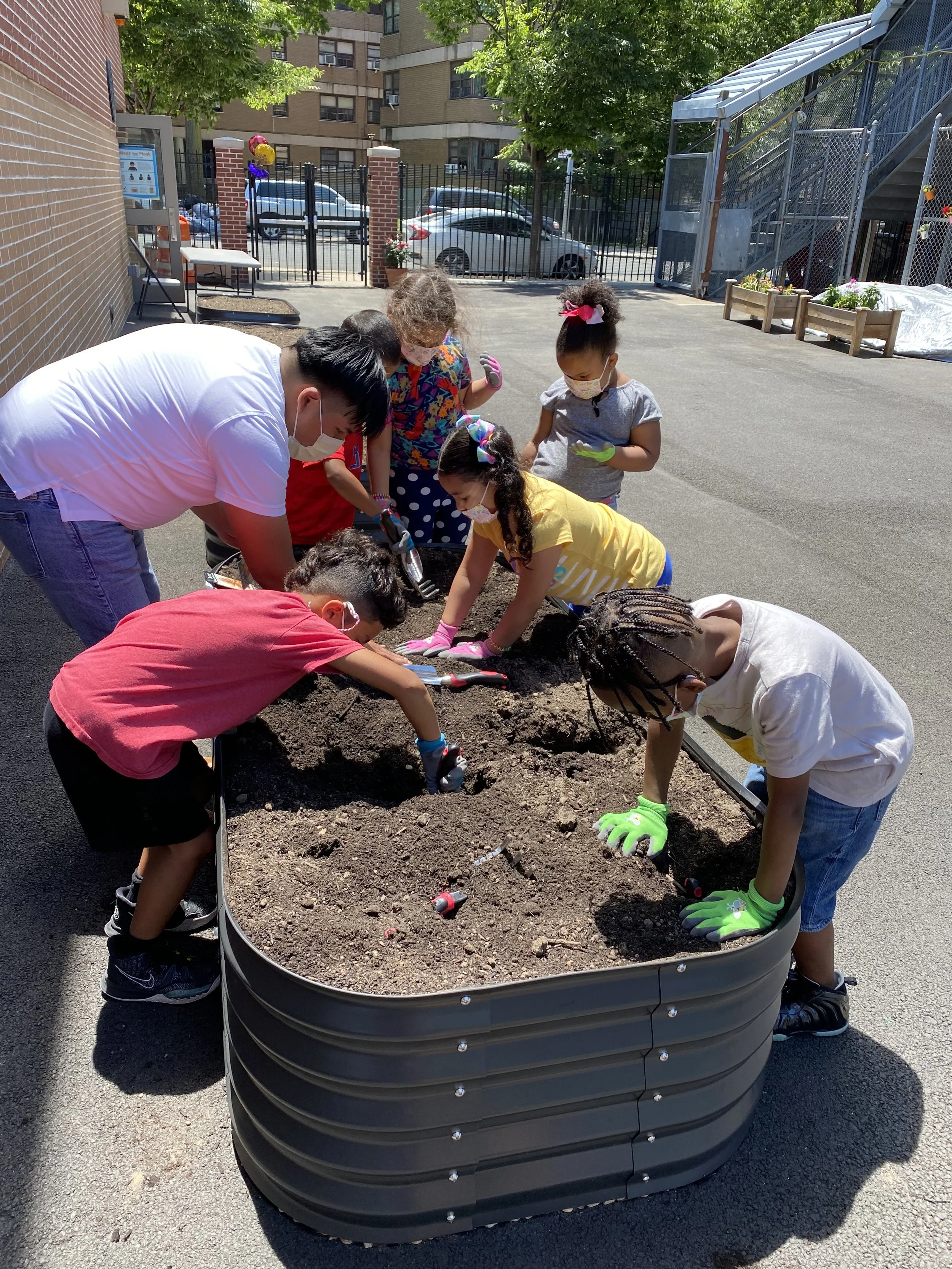
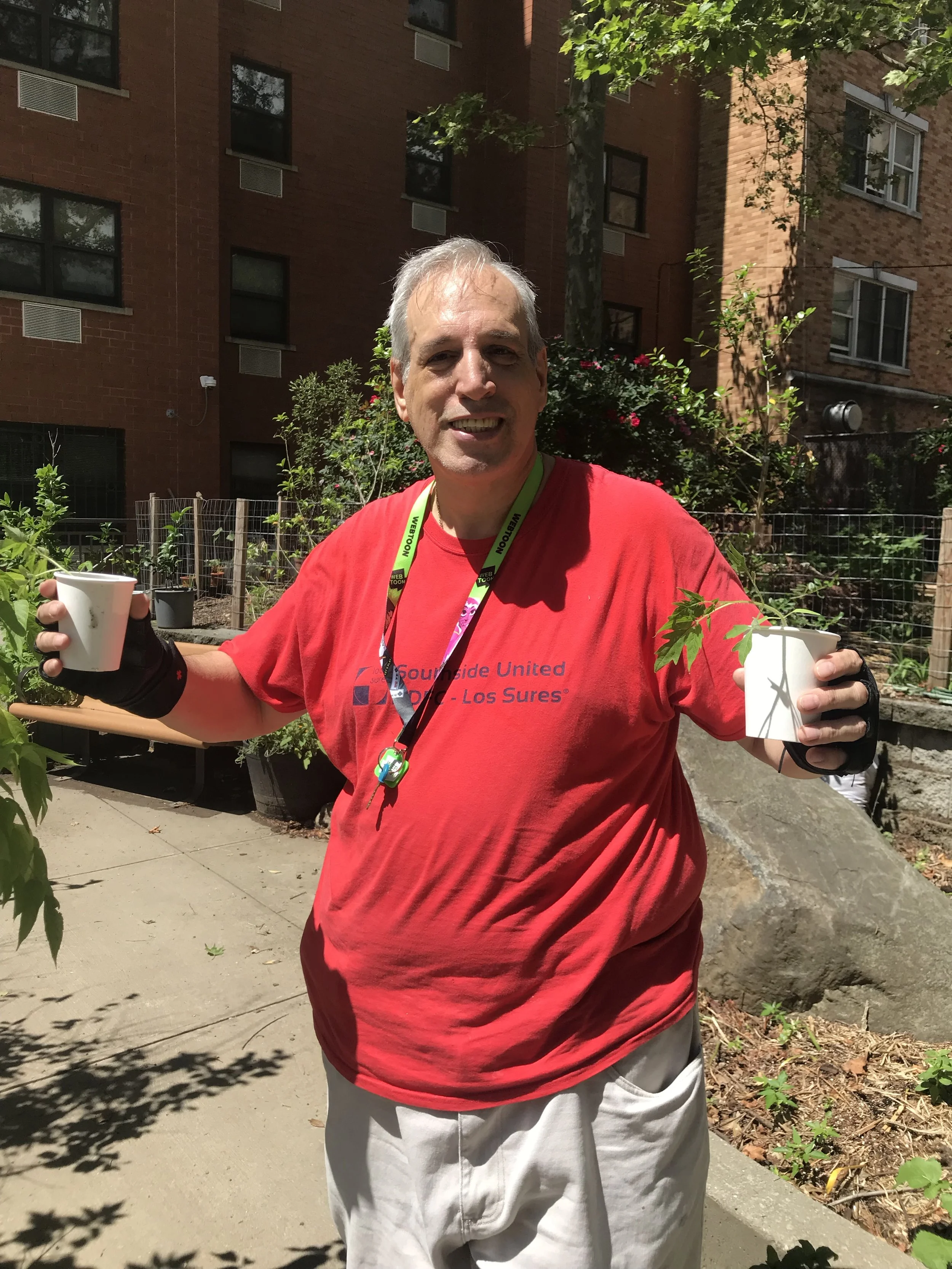
BioLink Designs has developed and helped maintain urban gardens and productive landscapes in New York City, working closely with community organizations and schools to integrate ecological function, food production, and environmental education into dense urban environments. In partnership with organizations such as Los Sures and PS18 Edward Bush School, this work has supported local food systems through urban agriculture initiatives, fresh produce cultivation, seed-saving practices, composting systems, and hands-on ecological learning. These projects explore how productive landscapes can strengthen community resilience while also addressing broader urban ecological challenges, including biodiversity, soil health, shade-adapted planting strategies, and circular food systems within highly constrained city environments.